
How to Stop Beardruff Naturally: A Simple Beard Care Routine
Last Updated: November 14, 2026
Quick Summary
To stop beardruff naturally, treat the skin beneath the beard rather than just the hair: wash gently two to three times a week, exfoliate with a beard brush, and moisturize the skin daily with jojoba or argan oil. Most men need 7 to 14 days of daily oil use before flaking visibly settles, and 8 to 12 weeks of consistent care before the skin barrier is fully restored.
- Washing too often strips the skin and is the most common self-inflicted cause of beard flakes.
- Brush in short, downward strokes on dry skin two or three times a week, and skip it if skin is red or raw.
- Part the beard and work a few drops of jojoba or argan oil directly into the skin, not just the hair.
- Clean brushes weekly and launder pillowcases at least weekly and towels every few days on a hot cycle.
- See a clinician if flakes are greasy and yellow, skin is red and itchy, or nothing improves after several weeks.
Table of Contents
- What Beardruff Is and Why Your Beard Flakes
- A Step-by-Step Routine to Stop Beardruff Naturally
- Choosing the Best Beardruff Shampoo and Natural Remedies
- How to Stop Beard Dandruff on a Short Beard and After Shaving
- Seborrheic Dermatitis Beard Treatment: When to See a Clinician
- Build Your Natural Beard Care Routine with Vive Naturals
- Frequently Asked Questions
What Beardruff Is and Why Your Beard Flakes
Beardruff is flaking skin under the beard, and it is usually caused by dry skin, trapped dead cells, or an overgrowth of Malassezia yeast. If you want to know how to stop beardruff naturally, start by treating the skin, not just the hair.
Most guides get one thing wrong. They treat beardruff as a shampoo problem. It is a skin problem.
Flaking has three common drivers:
- Dry skin that never gets moisturized under the beard
- Excess oil that traps dead skin cells and feeds yeast
- Irritation from harsh soaps and fragranced products
Dry Skin vs. Seborrheic Dermatitis
Dry skin flakes are small, white, and usually not itchy. Seborrheic dermatitis is different: it causes greasy yellow scales, redness, and an itchy beard. The difference matters because the two need different routines. Dry skin responds to moisture. Seborrheic dermatitis needs gentle cleansing and, often, a clinician's help.
A Step-by-Step Routine to Stop Beardruff Naturally
The core routine is simple: wash gently two to three times a week, exfoliate with a beard brush, and moisturize the skin every day. Consistency beats intensity here. A common pattern is that the skin beneath the beard needs 7 to 14 days of daily oil use before flaking visibly settles, and 8 to 12 weeks of consistent care before the barrier is fully restored. According to The Groomed Man Co. timeline for skin hydration, daily oil use over that window is what most men need to see real change.
Step 1: Wash Gently, Two to Three Times a Week
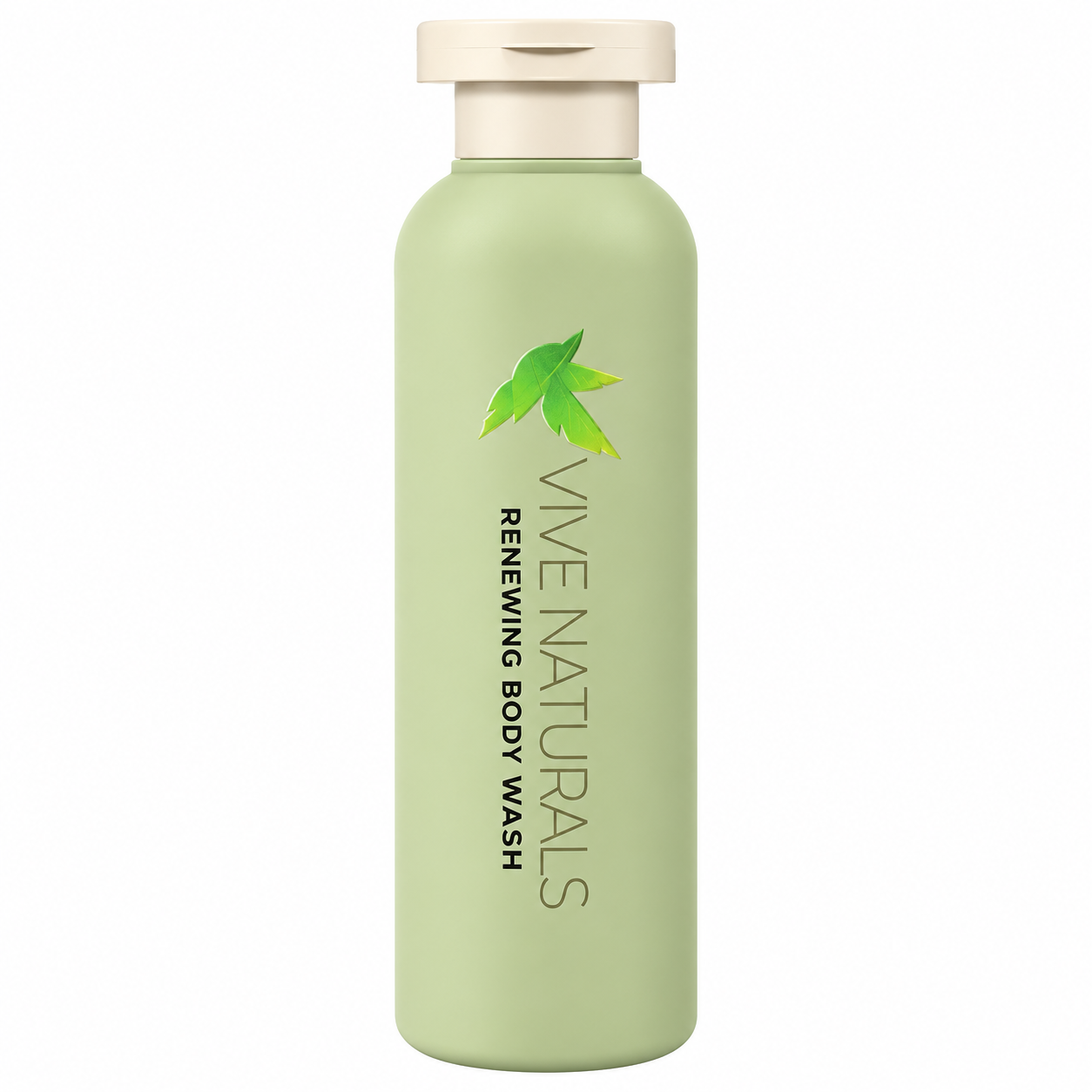
Washing too often strips the skin and makes flakes worse. Bucking Beards frequency guidance recommends washing the beard 2 to 3 times per week to prevent over-drying. The Vive Naturals Renewing Body Wash is a gentle, all-natural formula that cleanses without harsh chemical detergents.
Watch out: over-washing is the most common self-inflicted cause of beard flakes. If your skin feels tight after washing, you are washing too often or with too harsh a cleanser.
Step 2: Exfoliate with a Beard Brush
A soft boar-bristle or synthetic beard brush lifts dead skin cells before they turn into flakes. Brush in short, downward strokes on dry skin two or three times a week, and skip it if the skin looks red or raw. Clean the brush weekly with warm water and a drop of gentle soap, and let it dry bristle-down so it does not harbor oil and yeast.
Step 3: Moisturize the Skin Beneath the Beard
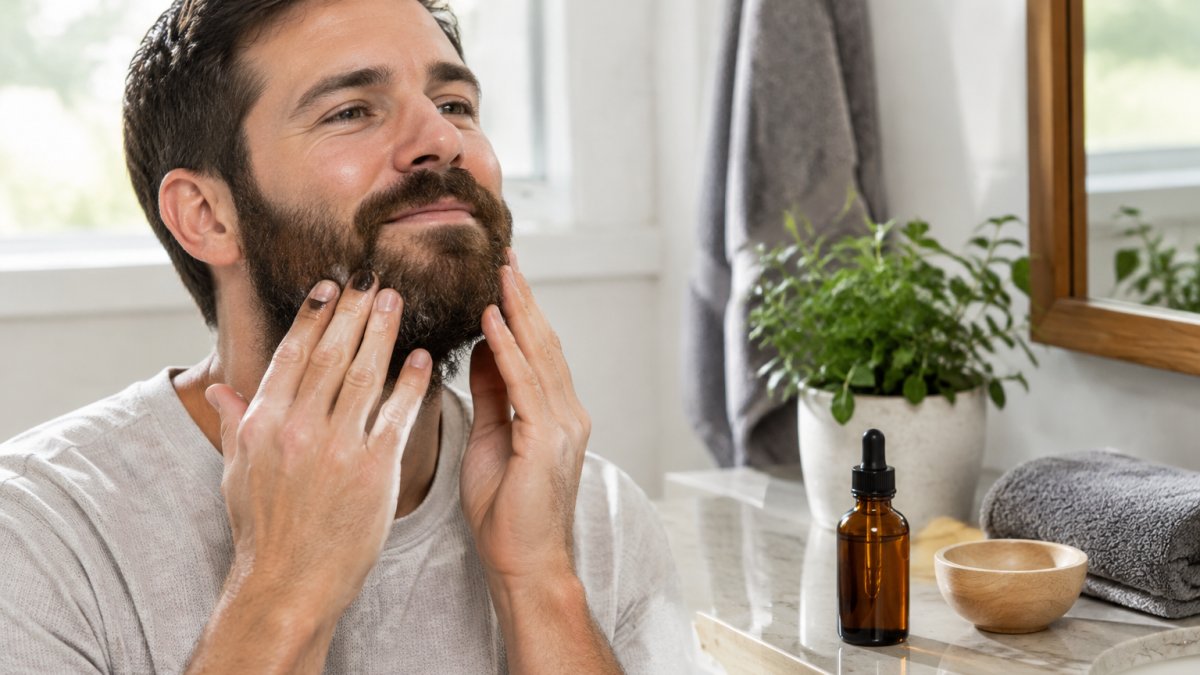
Moisturizing is the step most men skip. Part the beard and work a few drops of beard oil directly into the skin, not just the hair. Massage it in with your fingertips. Jojoba and argan are the safest everyday choices; avoid heavy fragranced blends on irritated skin. For the skin itself, our Rejuvenating Body Lotion hydrates dry, flaky areas. Expect visible improvement in beard health after 8 to 12 weeks of daily care, per Beardwaterr's routine benchmark.
A timed plan you can follow
- Morning, Rinse with warm water on non-wash days, apply two to three drops of jojoba or argan oil to the skin, and brush lightly if the skin is calm.
- Evening, On wash days, cleanse gently, pat dry, and apply oil or a light lotion before bed.
- Weekly, Exfoliate with the brush two or three times, wash the brush, and change your pillowcase. Towels and pillowcases trap oil and yeast, so launder them at least weekly on a hot cycle.
Prevention details that make the routine work
- Do not over-wash; two to three times a week is enough for most beards.
- Clean combs and brushes weekly and replace worn bristles.
- Change pillowcases at least weekly and towels every few days.
Here is the core routine at a glance, with how often to do each step.
| Step | What to do | Frequency |
|---|---|---|
| Wash | Gentle cleanser with warm, not hot, water | Two to three times a week |
| Exfoliate | Brush in short, downward strokes on dry skin | Two or three times a week |
| Moisturize | Few drops of jojoba or argan oil on the skin | Daily |
| Clean brush | Warm water and a drop of gentle soap | Weekly |
| Launder pillowcases | Hot cycle | At least weekly |
| Launder towels | Hot cycle | Every few days |
| First checkpoint | Flaking should be easing | Two weeks |
| Second checkpoint | Barrier comfortable, flakes minimal | Eight to twelve weeks |
Choosing the Best Beardruff Shampoo and Natural Remedies
The best beardruff shampoo is one that cleans without stripping, so look for gentle, plant-based formulas with mild surfactants rather than harsh sulfates. But the shampoo is only half the story. The natural remedies below are ranked by how much evidence supports them and how likely they are to irritate skin under a beard. None of them replaces a clinician's care for a diagnosed skin condition.
What the evidence supports
- Jojoba and argan oil, These are the most reliable natural moisturizers for the skin beneath a beard. Apply a few drops to the skin, not just the hair, once or twice daily.
- Aloe vera gel, Soothing and lightly hydrating, aloe is a reasonable choice for redness and irritation. Use a pure gel rather than a fragranced lotion, and let it dry before applying oil on top.
- Diluted tea tree oil, Mix one or two drops into a carrier oil such as jojoba before applying, and patch test on the inner forearm for 24 hours first.
A NCBI review of herbal preparations for dandruff found that some herbal preparations can be as effective as synthetic agents in controlling dandruff. That is encouraging, but it does not mean every folk remedy works, and it does not remove the need for patch testing.
What is unproven or risky
- Essential oils applied neat, Undiluted essential oils, including tea tree, peppermint, and eucalyptus, can cause contact dermatitis, especially on skin already inflamed by flaking. Always dilute.
- Fragrance-heavy "natural" balms, Botanical fragrances and citrus oils are common irritants. If a product lists parfum or a long essential-oil blend near the top, treat it with caution.
- Baking soda scrubs, Highly alkaline and abrasive; they can disrupt the skin barrier and make flakes worse.
How to patch test any remedy
Apply a small amount to the inner forearm or behind the ear, wait 24 to 48 hours, and check for redness, itching, or swelling. If there is any reaction, do not use it on the face. Repeat the test with any new product, even one labeled natural.
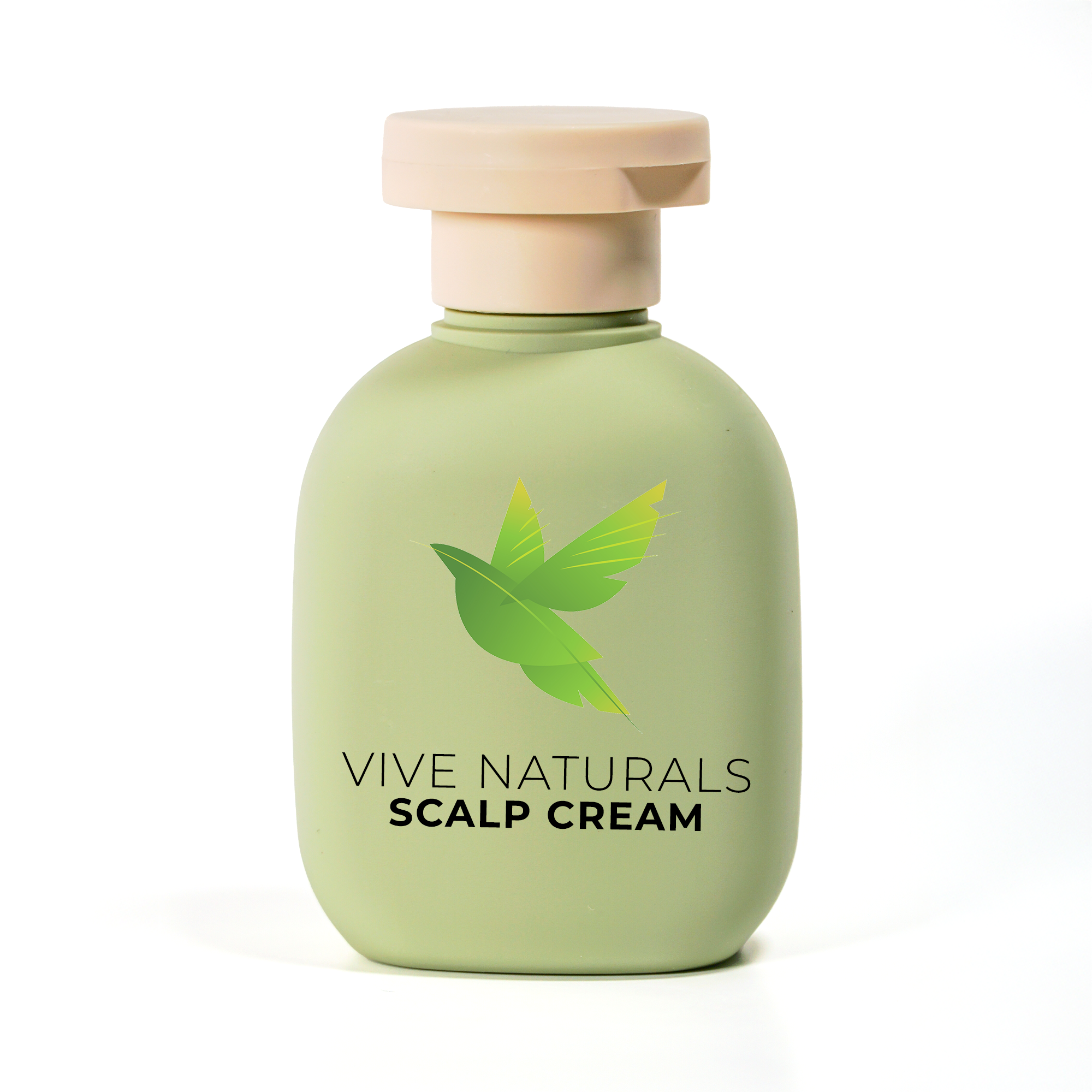
The Vive Naturals Scalp Cream can be used as a beard conditioner for coarse facial hair.
How to Stop Beard Dandruff on a Short Beard and After Shaving
Short beards and freshly shaved skin flake for a simpler reason: razor burn and dryness. When learning how to stop beard dandruff on a short beard, focus on aftercare. Shave with the grain, use a sharp blade, and moisturize right after.
Beard dandruff after shaving often comes from a dry, irritated skin barrier. Apply a gentle lotion within a few minutes of shaving. Skip alcohol-based aftershaves, which dry the skin further.
Seborrheic Dermatitis Beard Treatment: When to See a Clinician
Stop self-treating and see a clinician if flakes are greasy and yellow, the skin is red and itchy, or nothing improves after several weeks. Seborrheic dermatitis beard treatment often needs a medicated approach that natural care cannot replace. That is not a failure of your routine.
If your scalp is also sensitive, our guide to dermatologist recommended natural hair restoration for sensitive scalps covers gentle options.
Build Your Natural Beard Care Routine with Vive Naturals
A natural routine works when you keep it consistent. Wash gently, exfoliate weekly, and moisturize daily.
Vive Naturals makes that routine easier with plant-based, dermatologist-tested formulas. Vive Naturals products use an organic aloe vera base and are cruelty-free.
Browse our full hair care collection to build your routine.
Flaking skin under a beard is frustrating, but it is fixable with the right daily habits.
Frequently Asked Questions
Why do I have so much beardruff?
Beardruff usually comes from dry skin under the beard, excess oil that traps dead skin cells, or irritation from harsh soaps and shampoos. Malassezia yeast overgrowth can also play a role, especially when flakes are yellow and itchy. Washing too often with strong cleansers strips the skin barrier and makes flaking worse. Daily beard oil use that rehydrates the skin can help reduce flaking over time. If flakes persist after several weeks of gentle care, a dermatologist can rule out seborrheic dermatitis.
Does beard oil stop beardruff?
Beard oil helps stop beardruff by moisturizing the skin beneath the hair, which reduces flaking and itch. Apply a few drops daily and massage into the skin, not just the beard hair. Consistent daily use supports a healthier-looking beard over time. Pair oil with washing two to three times a week so you don't strip natural oils. A lightweight scalp cream with amino acids can double as a beard conditioner for coarse hair.
How often should I wash my beard if I have dandruff?
Washing your beard two to three times per week is generally enough for most beards. More frequent washing with harsh shampoos dries out the skin and worsens flakes. Use a gentle, sulfate-free cleanser and warm, not hot, water. On non-wash days, rinse with water and apply beard oil or balm to keep the skin moisturized. If you sweat heavily or work outdoors, a quick water rinse is fine, but save the full wash for two to three times weekly.
When should I see a dermatologist about beardruff?
See a dermatologist if flakes are thick, yellow, or greasy, if the skin is red and inflamed, or if itching doesn't improve after 8 to 12 weeks of consistent natural care. These signs can point to seborrheic dermatitis, which may need medicated treatment rather than home remedies. A clinician can also check for fungal infections or contact dermatitis from grooming products. Bring a list of products you use so they can identify potential irritants and recommend a seborrheic dermatitis beard treatment plan.
